EAT • SLEEP • REVIEW • REPEAT
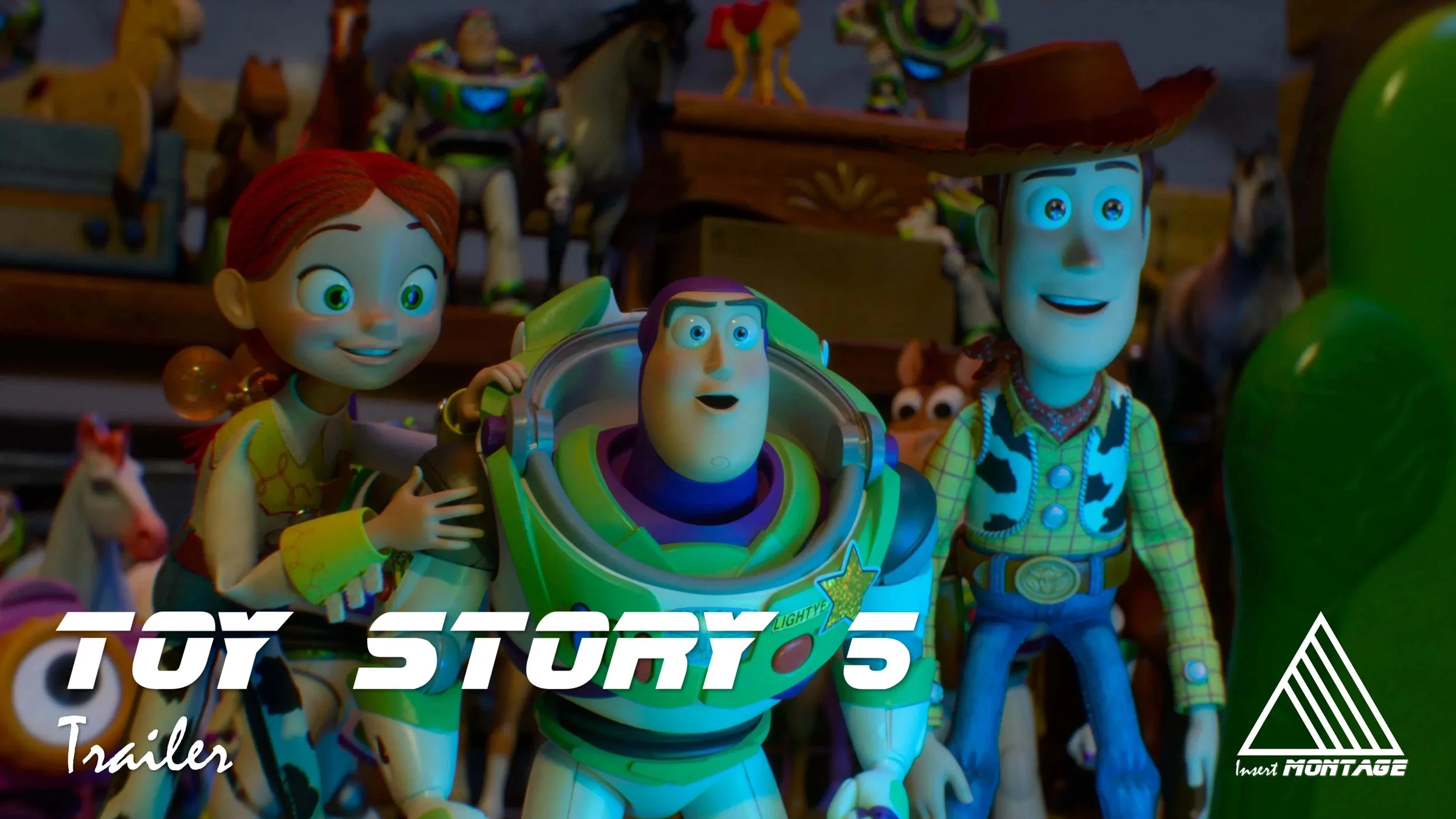
TOY STORY 5
Director: Andrew Stanton
Writer: Andrew Stanton & Kenna Harris
Cast: Tom Hanks, Tim Allen, Joan Cusack, Conan O’Brien, Scarlett Spears, Greta Lee
Pixar’s legendary franchise finds itself low on battery.
There aren’t many more satisfying Hollywood endings out there than that of Toy Story. Or at least that’s what we all thought.
With Andy all grown up and saying a tearful farewell to his beloved childhood toys, Toy Story 3 left us in the rarest of places for any long running movie franchise – we were satisfied. Woody and Buzz were satisfied. Pixar were satisfied. Everyone was satisfied. That was it. After fifteen wonderful years, the beloved toy tale was over and it was time to move on.
That being said, the film industry is rarely that sentimental, especially when there’s cold, hard cash to be made. And thus, Toy Story 4 was born. However, while it was nowhere near the peak of the first three films and felt distinctly superfluous, against all the odds, this fourth instalment in the series was actually rather good.
While the studio’s recent track record with sequels has been somewhat sketchy through the years, Toy Story is a different beast entirely. Of all the titles in their illustrious back catalogue, this remains Pixar’s true pride and joy. So, while the risk of undermining everything with an unnecessary sequel is always going to be there, Pixar can more often than not be relied upon to do well by their pride and joy franchise.
But while Toy Story 4 turned out to be a pleasant surprise, adding a fifth instalment to the much-loved series is another matter entirely.
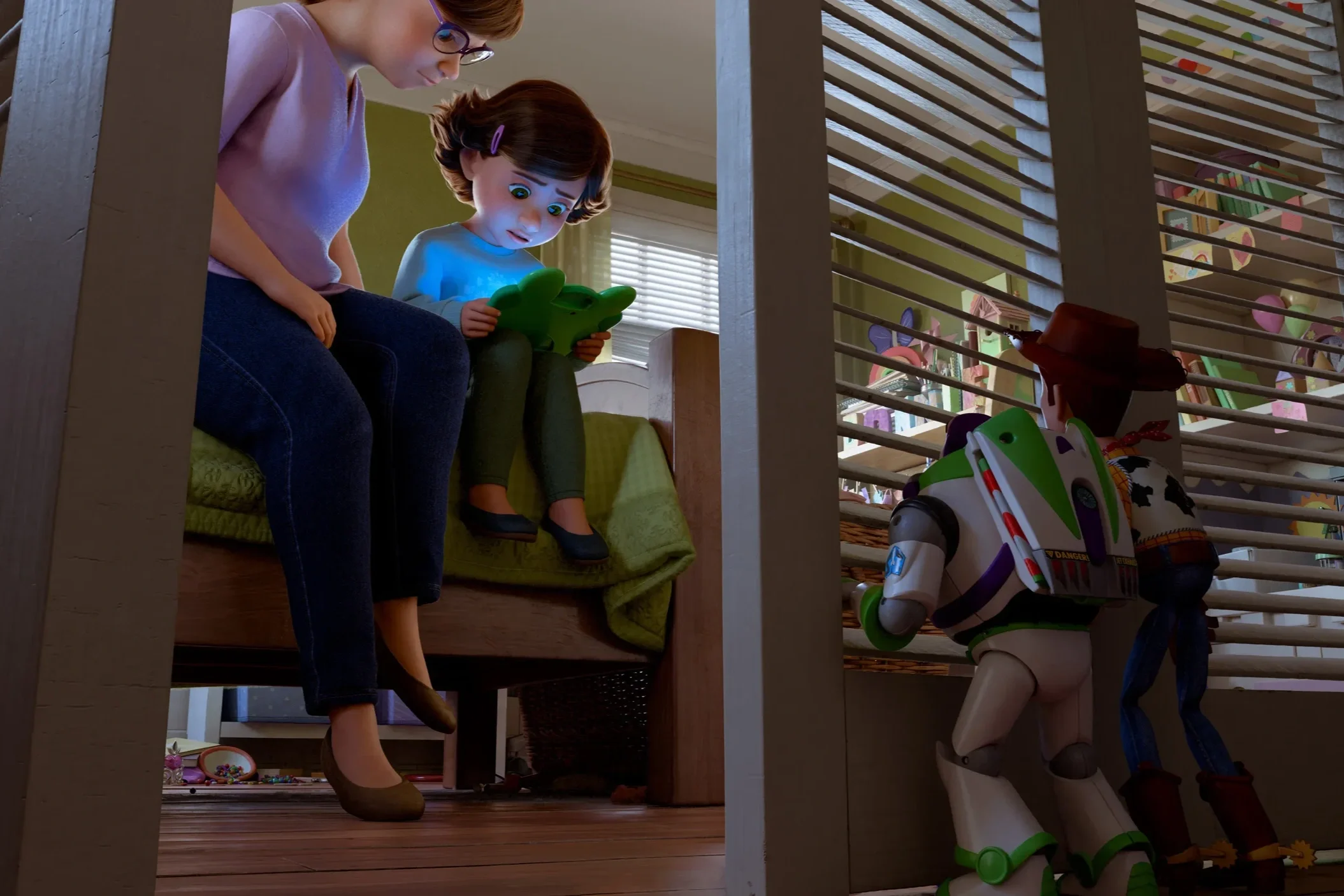
Two years on from the events of the fourth film, Woody (Tom Hanks), Buzz (Tim Allen), Bonnie (Joan Cusack), and the gang face an unexpected new rival for Bonnie’s attention: a high-tech tablet called Lilypad (Greta Lee). As Bonnie becomes increasingly absorbed in digital entertainment, the toys struggle with the possibility that traditional playtime is disappearing entirely. Led by Jessie, the gang embark on a heartfelt adventure exploring friendship, imagination, and what it means to stay relevant in a world where technology is changing the way children play.
If you want to pinpoint one of the key moments in animation history when the medium changed forever, they don’t come much more seismic than Toy Story. It really can’t be overstated just how much the film altered the trajectory of animation. It also happened to be the moment Pixar showed the world that colourful animation and quirky characters needn’t come at the expense of good writing and emotional depth.
Since the release of the first film in 1995, Pixar and Toy Story haven’t looked back. Bridging generations, we’ve all grown up with Woody, Buzz, and the gang, with their adventures becoming an integral part of many people’s childhoods across the world.
However, for a franchise that’s 31-years-old now, finding a new adventure worthy of the Toy Story name is no easy task, and while it’s admirable that Pixar has managed to make the franchise feel fresh even after all these years, it looks like time may finally be catching up with it.
All things considered, Toy Story 5 is a pretty good film. Not only that, it’s a good film that’s a level above most other animations in the market. The problem we have here, however, is that when you have a series as impeccable as Toy Story and a studio with a well-earned reputation for incredibly high standards as Pixar, good doesn’t quite cut it.
One of the biggest questions for any new Toy Story film will always be whether it justifies its existence in a world where the story of Woody and Buzz et al has already been told; and, in that respect, Toy Story 5 can be considered a success. By focusing on technology and probing the potential issues of tech on a child’s development, the film starts from a thematic base as solid as any Toy Story instalment thus far. It’s a narrative choice that marks a natural progression from where we were while addressing a timely issue that will be front and centre in the minds of a lot of the film’s target audience.
As the film introduces us to sentient tablet Lilypad and actively engages in the conversation about the increasing role tech plays in the lives of children – complete with the concept of cyberbullying, screen addiction, and physical vs online friendship – on a thematic level at least, it feels like a worthy entry in a film series that’s always put story and writing first. While the film’s closing argument against toy tech is far softer than it could’ve been, the very fact that an enormous, multi-billion dollar film franchise is highlighting the issue to the very parents and children it directly effects is a big step in the right direction.
Far less of a win, however, is the lacklustre execution of the story around this pertinent theme. It’s all well and good engaging in a topic like toys vs technology, it’s another thing entirely to build a narrative around it that actively tackles it, all while retaining the fun shenanigans we’ve become accustomed to from this series, and Toy Story 5 ultimately comes up just short on this front.
While its Toy Story predecessors stood out from the crowd with razor sharp, highly incisive writing that would beautifully balance pathos and levity with plot, dialogue, and action, Toy Story 5 fails in a way that makes it feel relatively empty and no better than your average Hollywood animation. Not something you ever expect to encounter with a highly respected series like this.
Moreover, while the film’s themes are admirable, its argument grows progressively weaker the deeper into the story we get. Of course, there are nuances to the tech topic that an animated film aimed primarily at children will never be able to fully cover, however, where Toy Story 5 eventually lands on the issue is disappointingly soft and feels like it’s hedging its bets.
It’s incredibly disappointing that a stronger stance on tech with children isn’t taken by Pixar, and this somewhat wishy-washy outlook is also reflected in Toy Story 5’s plot. Overly familiar, repetitive, messy, and regrettably regressive, the film’s narrative choices just feel like a string of ideas and moments pulled from previous Toy Story films with little heart behind them. The odd call back or reference to the franchise’s past is nice, yet Toy Story 5 feels like it willingly overloads itself with such nostalgia-bait, and the sense of diminishing returns that comes with it is overwhelming.
Despite these issues, there’s undoubtedly more than enough there with Toy Story 5 to satisfy audiences both young and old. As ever with Pixar, the animation on display is of the highest standard and everything is as impressive, immersive, meticulous, and vibrant as we’ve come to expect from a Toy Story film. With this comes an attention to detail with characters old and new that feels satisfying and undoubtedly on a par with any of its franchise predecessors.
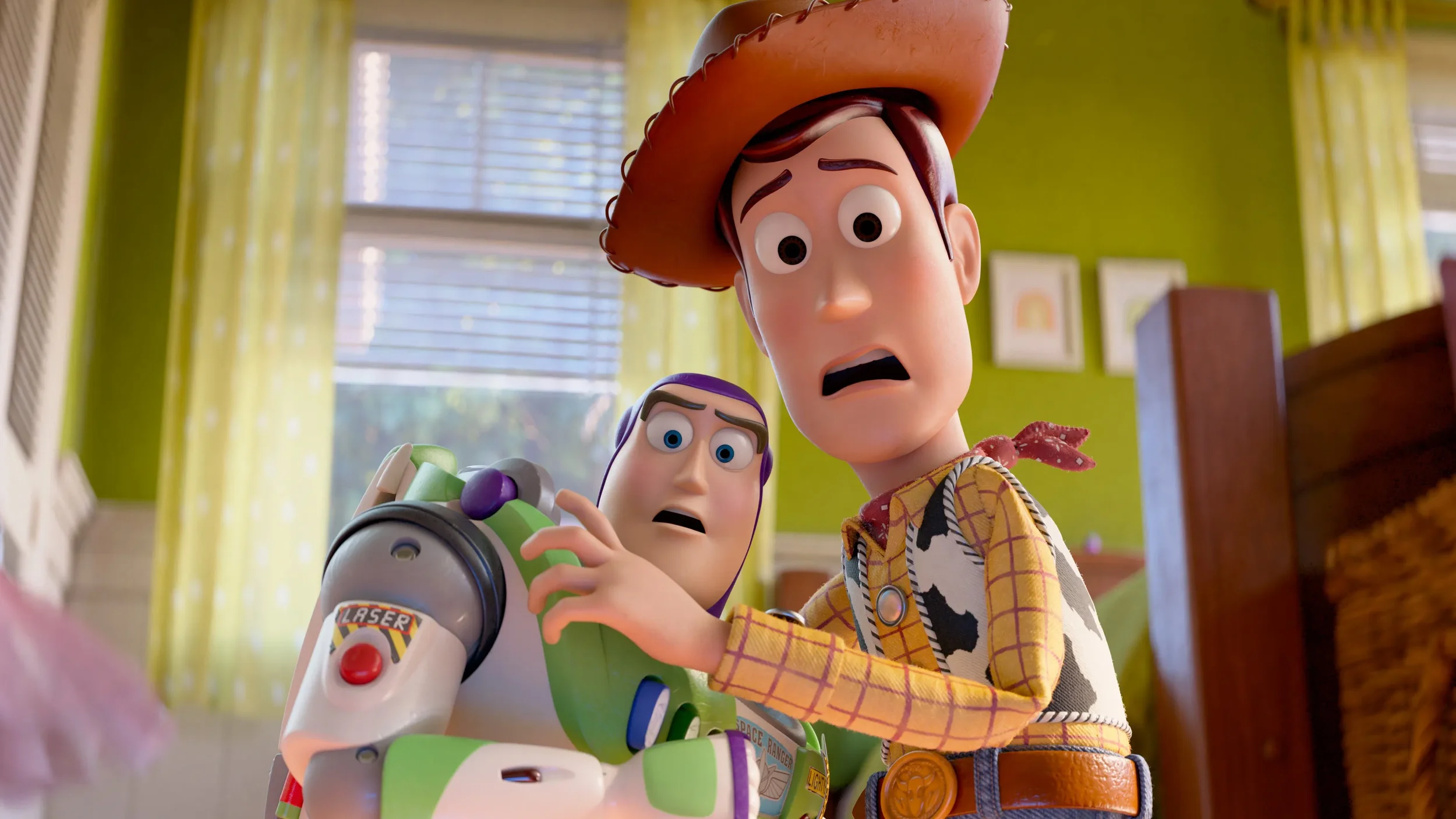
Whether it’s Woody’s bald spot and stuffing paunch, the nuances added to Jesse’s backstory, the impressive ingenuity of the new toy characters, or the clever quirks and details of the film’s tablet antagonist Lilypad (voiced wonderfully by Greta Lee), there are so many little details, visual jokes, and character nuances to Toy Story 5 that it’s easy to forgive it at least some of its issues, while never quite enough to put the film anywhere near the peak we know this beloved franchise can achieve.
While not a patch on the first three films, and not quite as good as the fourth one, there remains a lot to enjoy with Toy Story 5. There’s diminishing returns from some of the familiar plot points and the film lacks the magical spark that made the originals so special, however, with an important message about human interaction and the dangers of tech on childhood development, some great character work on Jessie, and all the usual joy-filled, toy-based shenanigans, Toy Story 5 is a highly enjoyable, if not elite, Pixar outing.